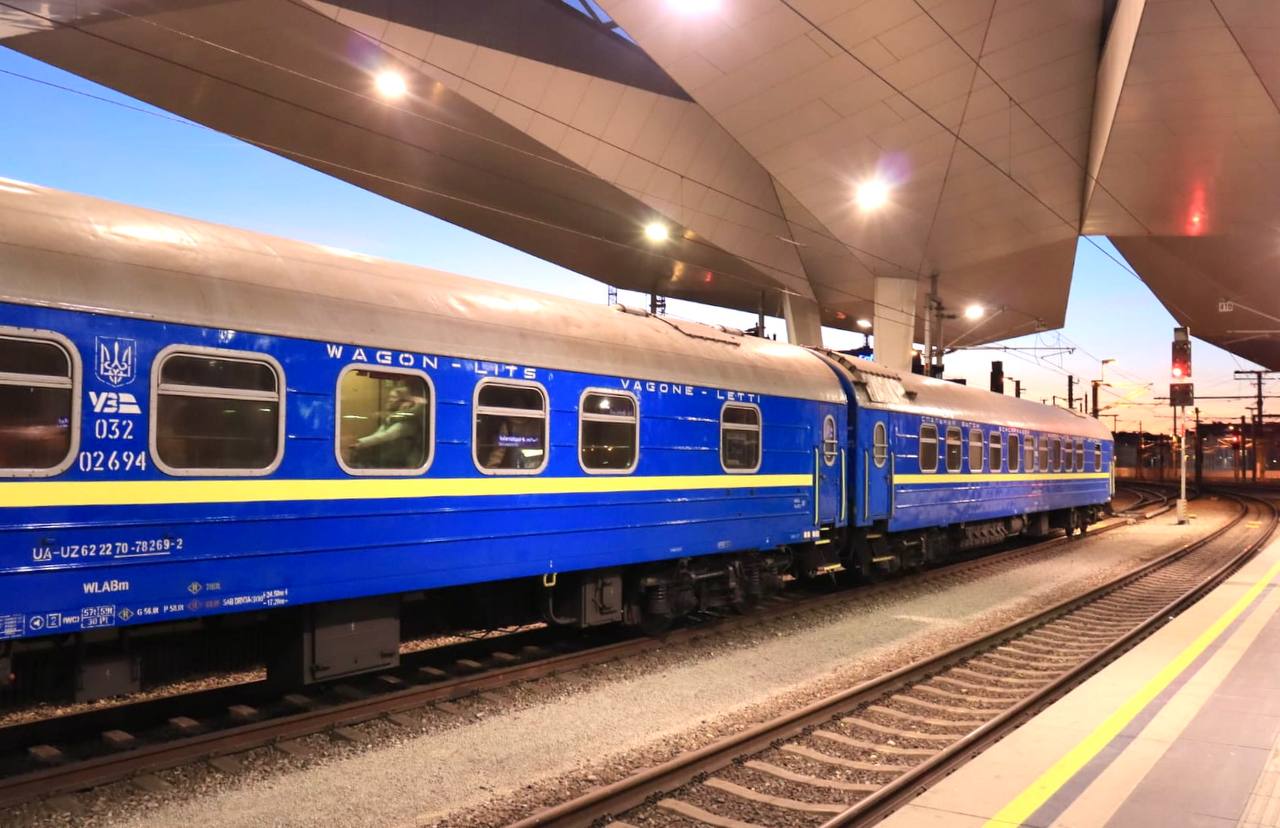
Ukraine’s national railway operator Ukrzaliznytsia has announced a new tender for the purchase of 10 next-generation passenger railcars with increased capacity and updated technical specifications.
The procurement will be financed through Ukraine’s state budget as part of the country’s broader railway modernisation programme.
Ukraine Expands Next-Generation Rail Fleet
According to Ukrzaliznytsia, the operator began transitioning toward a new generation of passenger railcars last year when it ordered an initial pilot batch of five units.
In 2026, the programme is being expanded with a larger order of 10 additional wagons.
The new passenger railcars are designed with larger dimensions and increased operational efficiency compared with older rolling stock currently used on Ukraine’s rail network.
Higher Costs Offset By Longer Service Life
Ukrzaliznytsia estimates the average cost of each new railcar at approximately 110 million Ukrainian hryvnias, or around $2.5 million.
Although the upfront purchase cost is higher than that of older passenger wagons, the operator says long-term operational economics remain favourable.
The new generation railcars are expected to remain in service for up to 50 years, extending lifespan expectations by roughly 20 years compared with much of the current fleet.
Officials said this would help maintain passenger transportation costs at comparable levels over the full lifecycle of the vehicles.
Kryukiv Railcar Plant Previously Selected
The first five larger-capacity railcars were ordered from the Kryukiv Railway Car Building Works during the summer of 2025.
The manufacturer is one of Ukraine’s largest rolling stock producers and has been heavily involved in domestic railway modernisation projects.
Rail Modernisation Remains Strategic Priority
Ukrzaliznytsia continues to prioritise passenger fleet renewal as part of wider infrastructure upgrades aimed at improving comfort, efficiency and long-term sustainability.
The investment comes as Ukraine seeks to modernise critical transport infrastructure despite the ongoing economic and logistical pressures created by the war.
Railways have played a vital role in maintaining domestic mobility, freight transport and international connectivity throughout the conflict, increasing the strategic importance of continued investment in rolling stock and rail infrastructure.