Traveling to wartime Ukraine may sound impossible to many, but for a growing number of foreign visitors it has become an unusual yet meaningful experience. Despite the ongoing conflict and constant threat of air raids, determined travelers are crossing the border to see the country firsthand, learn about its culture, and support local businesses.
These journeys are not typical holidays. Tourists must balance curiosity with respect, adventure with safety, and their own emotions with the stark reality of war. From dodging air raid sirens to listening to survivors’ stories, these trips challenge assumptions about travel itself.
Who Is Traveling to Wartime Ukraine?
Ukraine’s visitors during wartime come from varied backgrounds. Some are journalists and aid workers with professional reasons to enter. Others are adventurous backpackers eager to see the reality behind the headlines. There are also Ukrainians returning to visit family or explore areas they haven’t seen since the invasion began.
Many travelers are drawn by solidarity. They want to support local businesses, bring attention to the country’s resilience, or simply better understand the situation. For these visitors, the journey is part of a moral choice—a way to stand with Ukraine when it’s most in need.
The Reality on the Ground
Traveling through Ukraine today is not like visiting other European destinations. Air raid sirens regularly disrupt daily life. Visitors must learn to respond quickly, taking shelter in basements or metro stations when alerts sound. Curfews can restrict movement at night, and checkpoints add time and complexity to road travel.
Infrastructure challenges are also common. Rolling blackouts, damaged roads, and limited transport options mean travel plans must remain flexible. Train networks have been heroic in their consistency, but delays and reroutings happen often.
Foreign travelers often report a mix of inconvenience and gratitude. They see the destruction of towns and cities while meeting locals determined to rebuild, creating a profound sense of contrast.
Emotional Impact on Visitors
Few visitors are prepared for the emotional weight of wartime tourism. Seeing bombed-out apartment blocks, hearing sirens at night, and listening to the stories of those who lost loved ones can be overwhelming. Travelers describe a deep respect for Ukrainians’ resilience, but also moments of personal guilt for being able to leave.
For some, these experiences lead to lasting connections. Conversations in cafes, homestay arrangements, and even volunteering with local NGOs become part of their journeys. The emotional highs and lows create stories that stay with them long after they return home.
Safety and Travel Planning
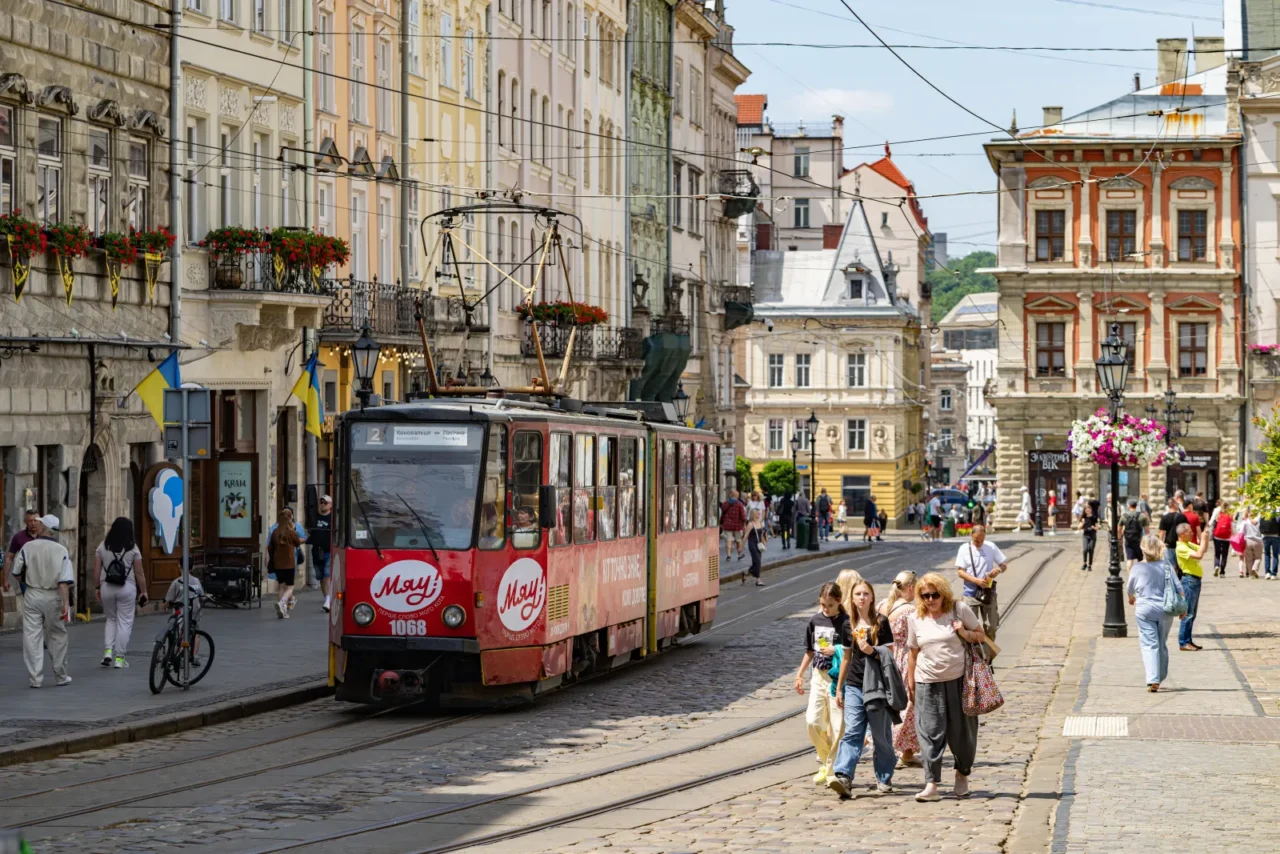
Traveling to wartime Ukraine requires serious preparation. Most governments still issue “do not travel” advisories for large parts of the country. However, some areas in western and central Ukraine are considered relatively safer. Lviv, for instance, has become an unofficial hub for foreign journalists, aid workers, and cautious travelers.
Services like Visit Ukraine offer travel insurance, guidance on safe regions, and air raid alert apps. Accommodations often brief guests on evacuation plans and bomb shelter locations. While this preparation can feel intimidating, it’s essential for staying safe.
Stories from the Frontlines of Tourism
Some tourists come away with surprising stories. A UK backpacker described paying £7 for a hostel bed in Kyiv and fleeing to a metro station during his first-night air raid alert. He called it an “incredible” experience despite the fear, praising locals’ calm and the sense of shared determination.
Others recount walking through nearly empty historic squares or visiting beautiful Orthodox churches still open for prayer. While some attractions are closed or damaged, many cultural sites remain accessible, providing powerful glimpses into Ukraine’s heritage.
These anecdotes highlight the unexpected normalcy that persists even under threat. Cafes bustle in the daytime. Museums and churches open their doors. Locals continue their lives with a determination that inspires many visitors.
Ethical Questions: War Tourism or Solidarity?
Traveling to wartime Ukraine raises ethical debates. Critics warn about “disaster tourism,” arguing that visiting bombed cities risks trivializing the suffering of locals. Photos of destruction on social media can appear insensitive or exploitative.
Others argue that tourism brings critical income to businesses fighting to stay open and keep staff employed. Visitors who spend money locally, tip generously, and respect safety rules can make a small but real difference. Some even volunteer or donate to local charities while traveling.
Ultimately, visitors must balance their motivations with humility and awareness. Being a respectful guest in a war-torn country means listening more than talking and supporting locals on their own terms.
How Brave Travelers Navigate Unexpected Dangers
Brave travelers willing to visit Ukraine during wartime face challenges that demand preparation and flexibility. Key safety steps include:
- Registering with embassies for emergency updates
- Using reliable local news sources to track military developments
- Downloading air raid alert apps to stay aware of risks
- Staying in accommodation with clear shelter access
- Planning alternative transport routes in case of infrastructure damage
Travelers also pack for uncertainty: power banks, local SIM cards, first aid kits, and even small gifts for hosts who go out of their way to help.
Tourism Industry Response
Despite the challenges, parts of Ukraine’s tourism industry have adapted. Hotels offer discounts and clear safety briefings. Tour guides shift itineraries to safer regions. Restaurants work around power cuts and offer generator-backed service. Local transport providers help navigate changing frontlines and blocked roads.
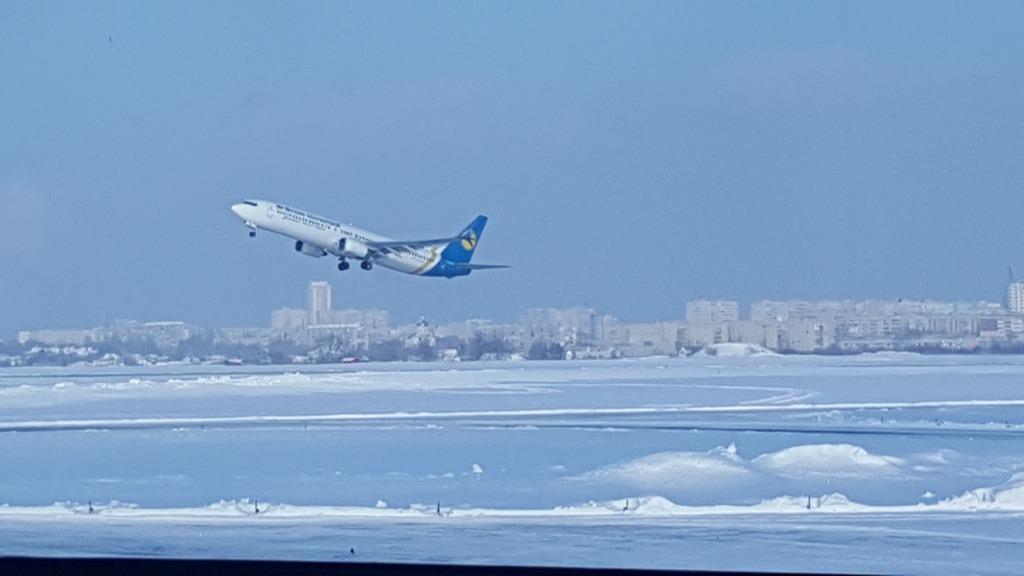
In Lviv, for instance, tourism agencies now focus on cultural tours, historical education, and humanitarian volunteering opportunities. These efforts highlight the determination to keep Ukraine connected with the outside world—even when the skies are closed to civilian flights.
A Journey Unlike Any Other
Traveling to wartime Ukraine is not for everyone, and it shouldn’t be romanticized. The risks are real, the emotional toll is high, and visitors must navigate complex ethical questions. But those who choose to go often come away transformed.
They see not only destruction but hope. They meet not only survivors but heroes. And they discover a country fighting not just for its borders but for its culture, its people, and its future. For those willing to listen and learn, the journey to Ukraine offers lessons that will never be forgotten.
Photo Credit: Ruslan Lytvyn / Shutterstock.com