
Interest in spontaneous travel across Europe is increasingly shifting toward Eastern Europe, the Baltics and the Balkans as travellers search for less crowded and more affordable destinations in 2026.
New booking trends suggest many tourists are moving away from Europe’s traditional overcrowded hotspots in favour of cities and coastal regions offering cultural attractions, lower prices and a more relaxed travel experience.
Eastern Europe Sees Sharp Rise In Travel Demand
According to the latest Travel Horizons report by lastminute.com, several destinations across Central and Eastern Europe recorded significant growth in bookings.
The fastest-growing destination was the Polish city of Gdańsk, which saw a 97 percent increase in travel demand.
Bucharest followed with a 71 percent rise, while Kraków recorded growth of 58 percent.
Albania’s coastline experienced a 53 percent increase in popularity, while Latvia’s capital Riga saw bookings rise by 40 percent.
Travellers Seeking Less Crowded Cities
The trend reflects changing travel priorities as visitors increasingly favour destinations that combine cultural heritage with lower tourist density.
Industry analysts say many travellers are now prioritising flexibility, affordability and more authentic local experiences over traditional mass tourism destinations.
These emerging locations also tend to offer lower accommodation and dining costs compared with Western European capitals and Mediterranean hotspots.
Poland Continues To Attract International Visitors
Gdańsk, located on Poland’s Baltic coast, has become increasingly popular thanks to its restored Hanseatic-era architecture, riverside promenades and maritime heritage.
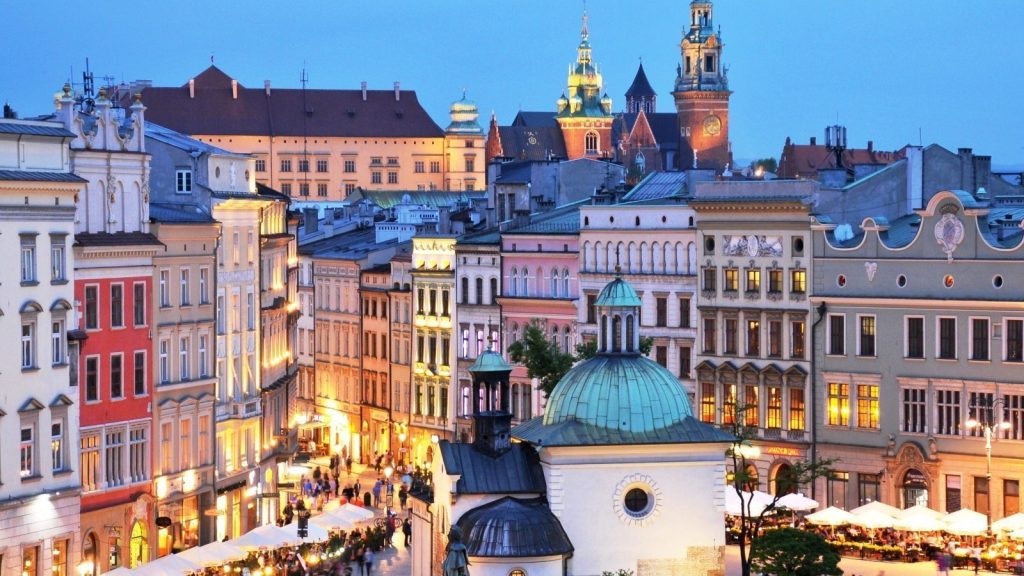
Meanwhile, Kraków continues attracting visitors with its UNESCO-listed historic centre, the large medieval market square and Wawel Royal Castle.
Poland’s growing international rail and low-cost airline connections have also improved accessibility for European travellers.
Albania Emerges As Balkan Tourism Hotspot
Along the Balkans, Albania’s Ionian coastline has become one of Europe’s fastest-growing beach destinations.
Resorts such as Ksamil, Sarandë and Dhërmi are drawing visitors with turquoise waters, lower prices and a developing hospitality sector.
The region also offers archaeological attractions, mountain scenery and an increasingly active nightlife scene.
Baltic Cities Continue To Gain Attention
Riga remains one of the Baltic region’s strongest tourism performers, combining a UNESCO-listed medieval old town with one of Europe’s largest collections of Art Nouveau architecture.
Bucharest is also attracting renewed interest thanks to its blend of historic districts, Belle Époque buildings and monumental communist-era architecture.
Travel Trends Reflect Shift Toward Alternative Europe
The broader tourism trend suggests travellers are increasingly looking beyond Europe’s most saturated destinations in favour of secondary cities and emerging regions.
Experts say the shift is being driven by a combination of rising prices in traditional tourism centres, overtourism concerns and growing interest in slower, more immersive travel experiences.